


- Startpagina tijdschrift
- Volume 30 (2026)
- Numéro 1
- Susceptibility of some maize varieties to fall armyworm (Spodoptera frugiperda J.E. Smith) in agro-ecological zones III and V of Cameroon


Weergave(s): 347 (11 ULiège)
Download(s): 77 (6 ULiège)

Susceptibility of some maize varieties to fall armyworm (Spodoptera frugiperda J.E. Smith) in agro-ecological zones III and V of Cameroon

Documenten bij dit artikel
Version PDF originaleRésumé
Sensibilité de quelques variétés de maïs à la chenille légionnaire d’automne (Spodoptera frugiperda J.E. Smith) dans les zones agro-écologiques III et V du Cameroun
Description du sujet. La chenille légionnaire d’automne (CLA) est un ravageur redoutable des cultures céréalières (maïs). Elle peut provoquer des pertes de rendement de l’ordre de 15 à 73 %. Son incidence varie d’une variété de maïs à une autre, ainsi que d’une zone agro-écologique (ZAE) à une autre.
Objectifs. Évaluer l’incidence et la sévérité d’attaque de la CLA et leurs effets sur les performances agronomiques des six variétés de maïs les plus cultivées en ZAE III (Foumbot) et V (Ntui) du Cameroun.
Méthode. Un dispositif complètement randomisé à trois répétitions a été utilisé. Les données collectées ont subi une analyse de la variance grâce au logiciel Genstat, les graphes par GraphPad prism 8 et le dendrogramme par le logiciel R.
Résultats. Les six variétés de maïs se sont révélées sensibles aux chenilles légionnaires en saisons pluvieuse et sèche respectivement à Foumbot (CHH101 : 66,67 % et 80 %, Pop-corn : 71,67 % et 83,33 %, CHC202 : 75 % et 86,67 %, CMS8704 : 83,33 % et 100 %, CHC201 : 76,67 % et 83,33 %, variété témoin : 83,33 % et 98,33 %). Le même constat a été fait à Ntui. Comparées à la variété témoin, CHH101, Pop-corn et CHC202 se sont révélées significativement moins sensibles à l’incidence de la CLA. À Foumbot et Ntui respectivement, la saison sèche (88,61 % et 78,33 %) s’est avérée plus favorable à la prolifération des ravageurs que la saison des pluies. La zone agro-écologique III (82 %) était plus prolifique à la CLA que ZAE V (70 %). CHH101 avait le rendement le plus élevé (t·ha-1) en saison des pluies et en saison sèche respectivement à Foumbot (3,34 ± 0,04 et 3,06 ± 0,05) et à Ntui (3,45 ± 0,05 et 3,22 ± 0,04).
Conclusions. CHH101 s’est révélée moins sensible à la CLA et plus performante en termes de rendement en grain. La zone III (Foumbot) et la saison sèche se sont révélées plus favorables à la prolifération de la CLA.
Abstract
Description of the subject. The fall armyworm (FAW) is a formidable pest of cereal crops (corn). It can cause yield losses ranging from 15 to 73%. Its incidence varies from one corn variety to another, as well as from one agro-ecological zone (AEZ) to another.
Objectives. Evaluate the incidence and severity of the FAW attack and its effects on the agronomic performance of six of the most cultivated maize varieties in AEZ III (Foumbot) and V (Ntui) of Cameroon.
Method. A completely randomized design with three replications was used. The collected data underwent an analysis of variance using Genstat software, graphs by GraphPad Prism 8, and the dendrogram by R software.
Results. The six maize varieties proved susceptible to armyworms in the wet and dry seasons respectively in Foumbot (CHH101: 66.67% and 80%, Pop-corn: 71.67% and 83.33%, CHC202: 75% and 86.67%, CMS8704: 83.33% and 100%, CHC201: 76.67% and 83.33%, control variety: 83.33% and 98.33%). Similar observations were made in Ntui. Compared with the control variety, CHH101, Pop-corn and CHC202 proved significantly less susceptible to armyworm incidence. In Foumbot and Ntui respectively, the dry season (88.61% and 78.33%) proved more favorable to the pest proliferation than the rainy season. AEZ III (82%) was more prolific to FAW than AEZ V (70%). CHH101 had the highest yield (tha-1) in the rainy and dry seasons respectively at Foumbot (3.34 ± 0.04 and 3.06 ± 0.05) and Ntui (3.45 ± 0.05 and 3.22 ± 0.04).
Conclusions. CHH101 has proven to be less sensitive to FAW and more effective in terms of grain yield. Zone III (Foumbot) and the dry season have been shown to be more favorable for the proliferation of FAW.
Inhoudstafel
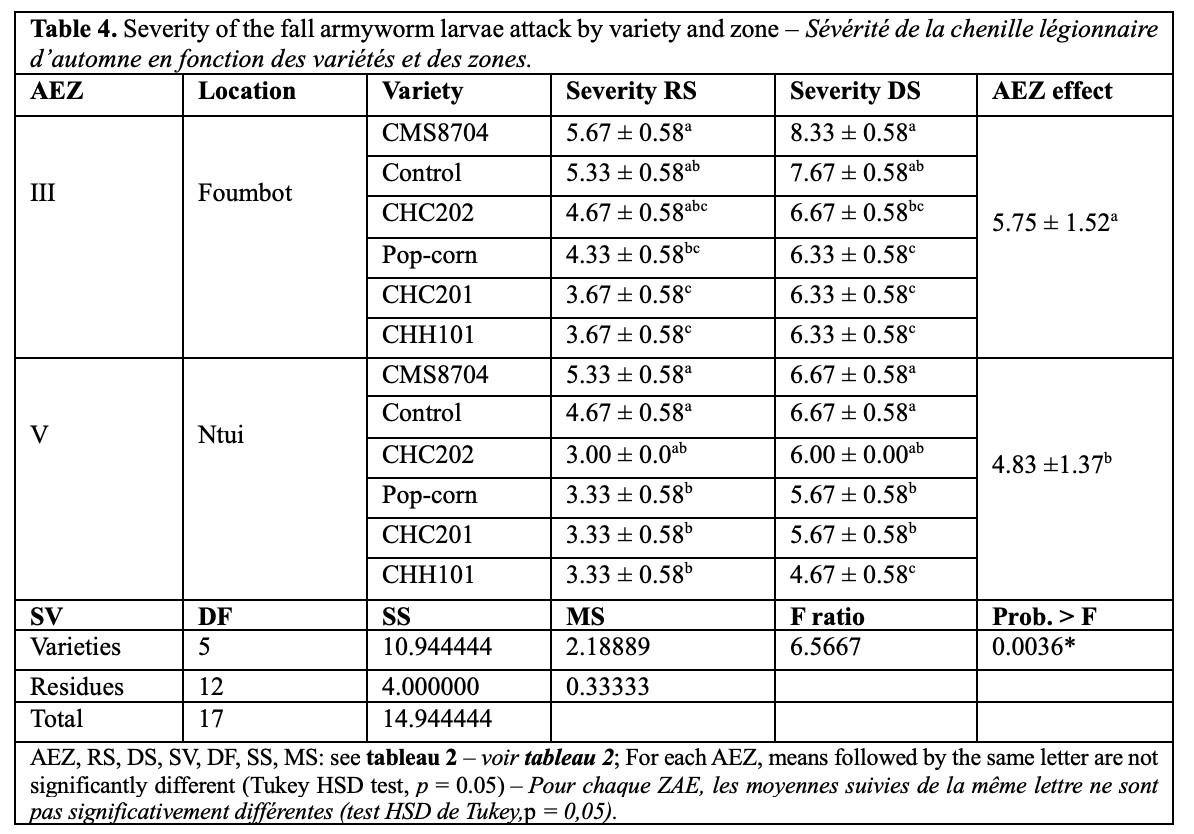
Received 30 October 2024, accepted 8 October 2025, available online 3 December 2025.
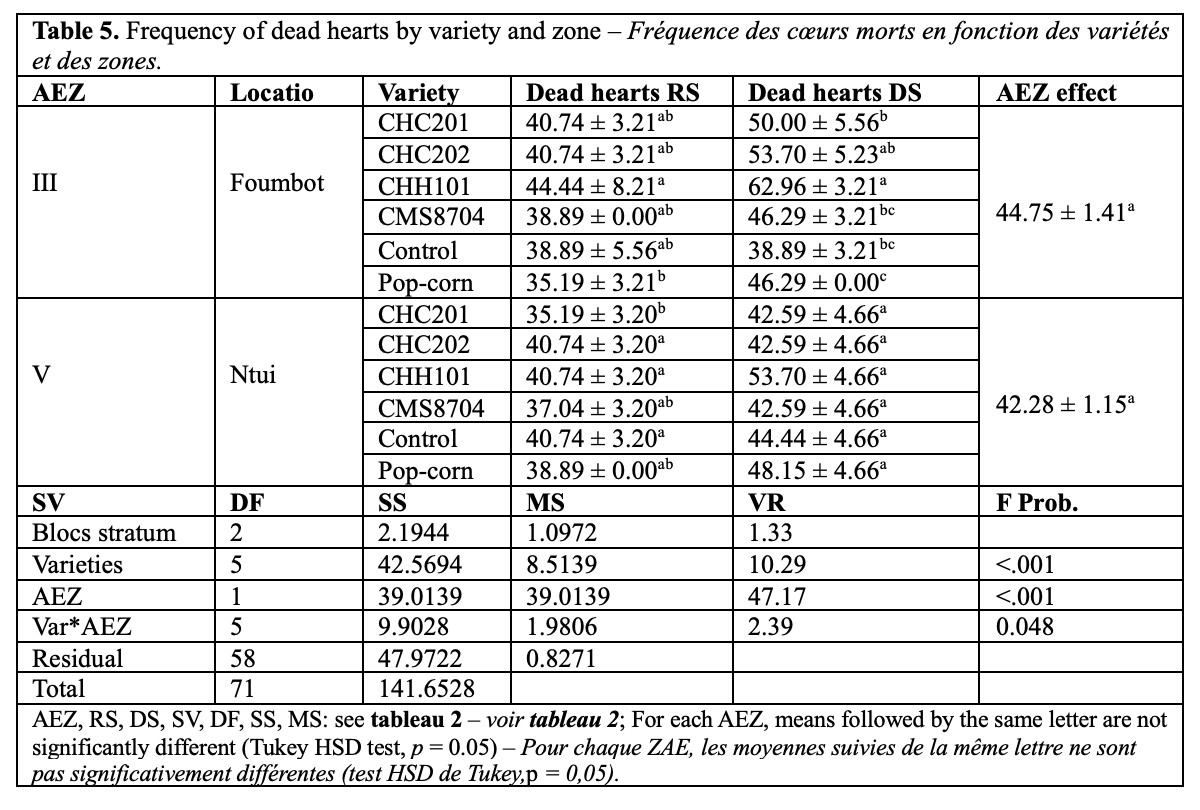
This article is distributed under the terms and conditions of the CC-BY License (http://creativecommons.org/licenses/by/4.0)
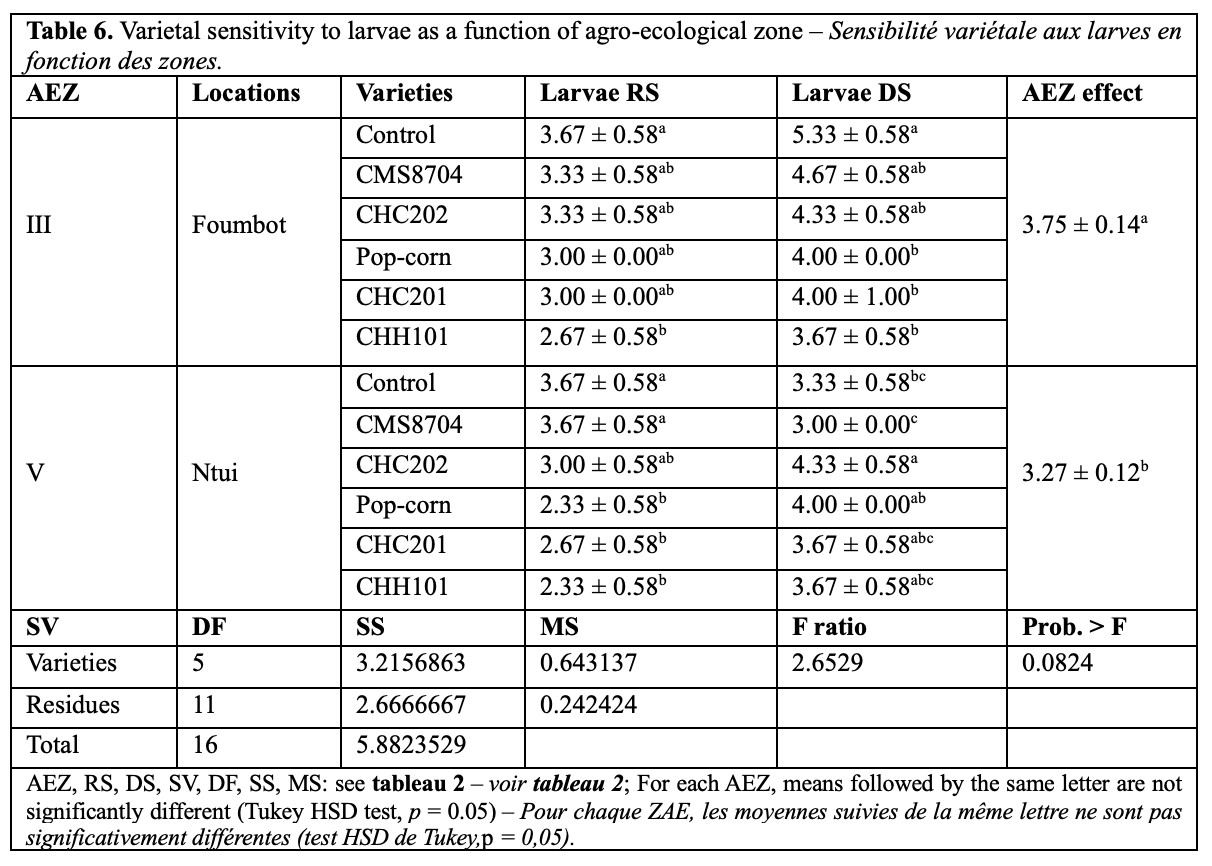
1. INTRODUCTION
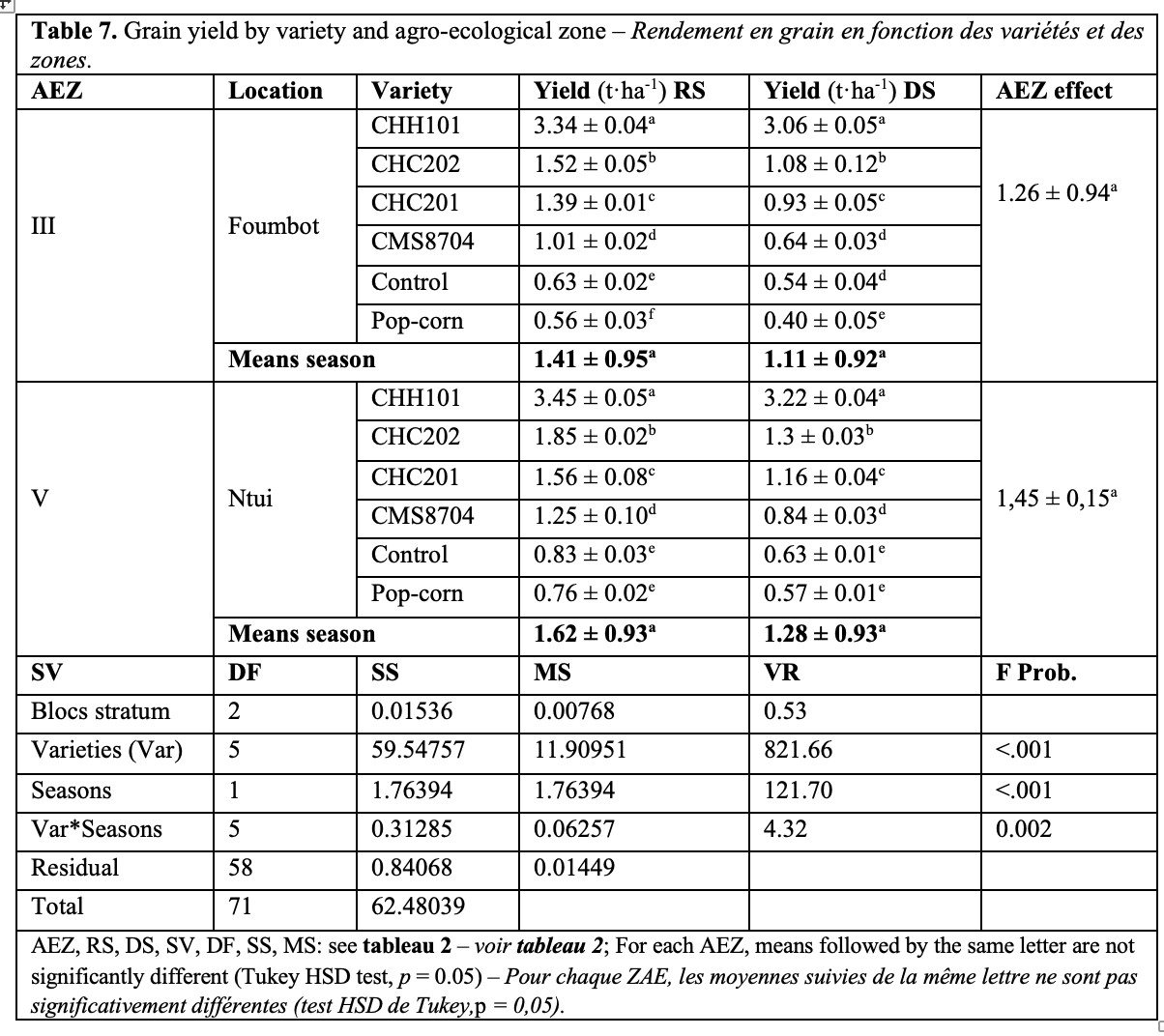
1Africa in general and Cameroon in particular face a major challenge in developing its agricultural sector to ensure food security and considerably reduce poverty. In Third World countries, agriculture remains traditional and is characterized by low productivity. Among cultivated plants, cereals are an important source of energy in the global diet, particularly maize (Zea mays L.) (FAO, 2018). In Cameroon, 90% of households devote around 60% of their budgets to cereal consumption (INS, 2018). Maize is the most widely grown cereal in the different agro-ecological zones (Mafouasson et al., 2020) with around 37% of its production taking place in the Sudano-Sahelian zone (Zone I), 13% in the Guinean savannah zone (Zone II), 25% in the western highlands zone (Zone III), 15% in the rainforest zone with monomodal rainfall (Zone IV) and 10% in the rainforest zone with bimodal rainfall (Zone V). Average annual maize production was 2 t·ha-1 (MINADER, 2020).
2Unfortunately, in recent years, cereal production in general and maize in particular has been declining. This deficit has also evolved in line with demand to reach 350,000 tons and peak at 600,000 tons in 2019 (MINADER, 2019). Several factors are at the root of this situation. These include changes in agro-ecological conditions, particularly climate (temperature, humidity, etc.), which favor the emergence of pests such as the fall armyworm (FAW), Spodoptera frugiperda J.E. Smith (Ndiaye et al., 2022; Souleymane et al., 2022). It is a polyphagous pest, a host range of 353 plants species from 76 plant families, principally the Poaceae (106), Asteraceae (31) and Fabaceae (31) (Montazano et al., 2018). The fall armyworm larvae damage varies from one area to another but also from one season to another (Kambale et al., 2023). In 2017, its presence was confirmed in six of Cameroon’s 10 regions, causing considerable devastation to a variety of crops. This pest is one of today’s most formidable pests of maize crops. In Cameroon, the deficit in maize production due to this pest is estimated at 310,679 tons·year-1. Corn and its derivatives imports amount to 150 billion CFA francs (225 000 000 €) per year (MINADER, 2022). Attacking maize in mid- to late-growth can cause yield losses ranging from 15% to 73%, with a range in the number of plants affected from 55% to 100% (Souleymane et al., 2022). Reported losses vary according to the age of the affected maize, the variety and the cultivation techniques used (Assefa & Ayalew, 2019). In Africa, crop losses caused by S. frugiperda amount to around 16 billion $ (Harrison et al., 2019). Given the difficulties associated with the use of chemical pesticides by mostly low-income producers (poor dose management leading to resistance, high costs, etc.), the use of resistant or tolerant cultivars is becoming an urgent issue. The aim of the present study was to assess the incidence and severity of FAW attacks and their effects on the yield of six maize varieties currently most widely grown in Cameroon’s agro-ecological zones III and V.
2. MATERIALS AND METHODS
2.1. Experimental site
3The present work was carried out in two agro-ecological zones (zone III and zone V) during the 2021 and 2022 cropping seasons. In the Western Highlands zone, the work was carried out at the IRAD research station in Foumbot. This zone lies between 4°54'' and 6°36'' North latitude and 9°18'' and 11°24” East longitude and covers the West, North-West and part of the Littoral and South-West regions with a total area of 3.1 million ha (IRAD, 2016). It offers a wide range of relief: from the Bamoun Plateau with an altitude of around 1,240 m to the Bamiléké Plateau that stretches from the Bamoun Plateau to Mount Bamboutos (2,740 m) and the volcanic plateaus of Bamenda at around 1,800 m in altitude. The climate is of the “high-altitude Cameroonian” type and is marked by two seasons of unequal length: a dry season that is more marked than in zone IV and runs from mid-November to mid-March, and a rainy season that lasts from mid-March to mid-November (IRAD, 2016).
4In zone V, work was carried out at IRAD’s Ntui antenna, it lies between 2°6'' and 5°48'' North latitude and 10°30'' and 16°12'' East longitude and extends over most of the southern Cameroon plateau between 500 and 1,000 m altitude. It covers the Centre, South and East regions, with a total surface area of 22.5 million ha. It is a hot, humid zone with a “Guinean”-type climate. An average temperature of 25 °C and rainfall of 1,500-2,000 mm per year divided into two distinct rainy seasons conducive to two crop cycles and a staggered agricultural calendar with staggered sowing and harvesting (IRAD, 2016). These localities were selected on the basis of their representativeness in the different agro-ecological zones of Cameroon (Figure 1).
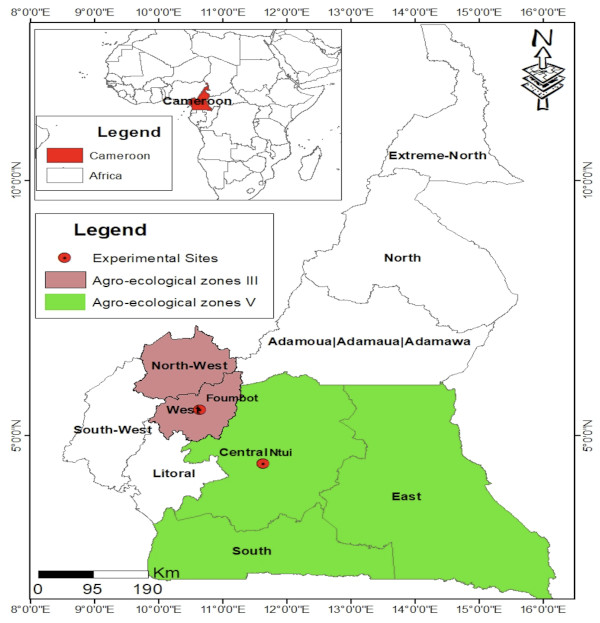
Figure 1. Map of the study site – Carte du site d’étude.
2.2. Biological materials
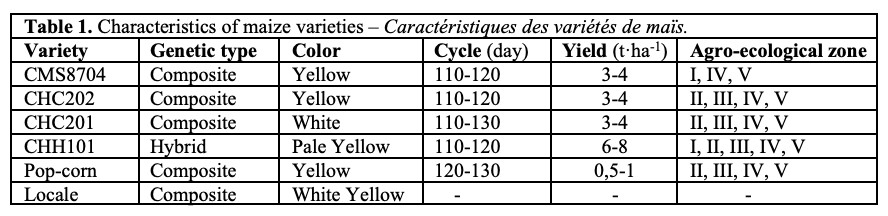
5For this work, six maize varieties were chosen because of their high demand and consumption by producers and consumers in the two agro-ecological zones. Five of the six varieties selected were purchased from IRAD. The control variety was obtained from the market. The characteristics of these varieties are presented in table 1.
2.3. Methods
6Experimental set-up. The experimental trials were set up in both zones during the 2021 and 2022 cropping seasons, at the start of the rainy and dry seasons. The different genotypes that constitute the main factor of this work were sown in a completely randomized block design with three replications, comprising 6 units of 37.5 m2 each, i.e. a total of 18 units. The distance separating one replication from another was 1.5 m and 80 × 50 cm was the sowing density chosen for this work. The total trial area per site was 867 m2.
7Soil preparation and sowing. Site preparation in both areas consisted of clearing and plowing to a depth of 50 cm, followed by harrowing with a hoe. The experimental plot (48.2 m × 18 m) and sub-plots (7.2 m × 5 m) were then marked out using a decameter, string and wooden stakes. Sowing took place directly after plowing. Three seeds were sown/packet, leaving only two plants/packet after post-emergence weeding. The sowing pattern was 80 cm × 50 cm. Each variety was sown in 10 rows, i.e. 220 plants per elementary plot. Mineral basal fertilizer (14-23-14) was applied at sowing, at a rate of 10 g per packet, equivalent to 300 kg·ha-1. Then, 100 kg of urea (46% nitrogen) were added four weeks after sowing as a final fertilizer (Kamtchoum et al., 2024). Maintenance consisted of manual weeding and ridging. No chemical treatments (insecticides and herbicides) were applied in the trial.
8Data collected. Data on armyworm infestations were collected weekly from 21 days after sowing, on 20 randomly selected and marked plants in the middle of each experimental sub-plot.
9Evaluation of insect incidence. Incidence was assessed using the ratio of the number of plants attacked in each experimental plot to the total number of plants inspected in the subplot, multiplied by 100:
10I = Y/X × 100 (Fajinmi et al., 2012)
11Percentage of attack reduction (%) = 100 - (Treatment Incidence) / control incidence*100
12Insect severity assessment. Severity was assessed visually using the rating scale defined by Notteghem et al. (1980). Scores have been assigned, and each number corresponds to:

13The severity index was calculated according to the following formula:
14IS = (∑Xi. Ni/Nt) ×100
15with IS: Insect severity index, Xi: Insect severity (Note), Ni: Number of plants with severity i, Nt: Total number of plants observed.
16Grain yields. The ears harvested per variety on 7 middle rows of the 13 rows/variety were counted. After dehulling, the kernels are dried to a constant weight. The grains are weighed using a sensitive balance and grain yields were calculated and reported per hectare according to Guibert et al. (2016):
17Yield (kg·ha-1) = (10,000 m2/EA) * DGW
18with DGW: Dry Grain Weight, EA: Elementary Area in m2.
19Data analysis. The incidence and severity data for each locality in the different ZAEs were subjected to analysis of variance using the generalized linear model (GLM) of the Genstat and JMP version 8 software (SAS, 2007). The mean values of the various parameters were separated by Tukey’s HDS test at the 5% probability threshold (Tukey, 1953). Graphs were produced using GraphPad prism 8 software and the dendrogram was created using the R software.
3. RESULTS
3.1. Emergence rate by variety
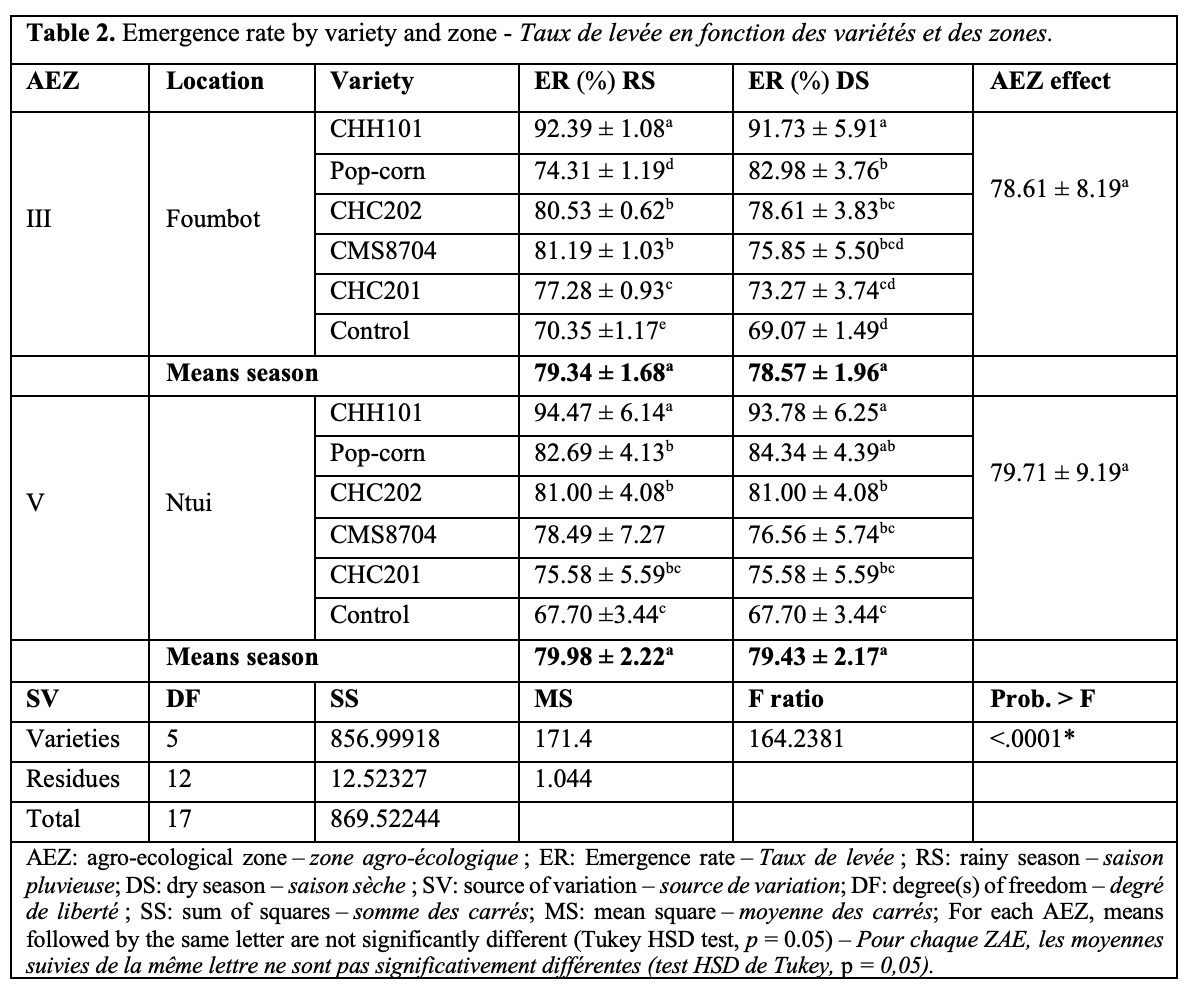
20Analysis of variance for the emergence rate parameter of the maize varieties tested revealed a highly significant difference (p < 0.001) in the two study areas. In both Foumbot and Ntui, the hybrid variety CHH101 had the highest emergence rate in both seasons, compared with the control. No significant effect of season or agro-ecological zone was observed (Table 2).
3.2. FAW attack incidence
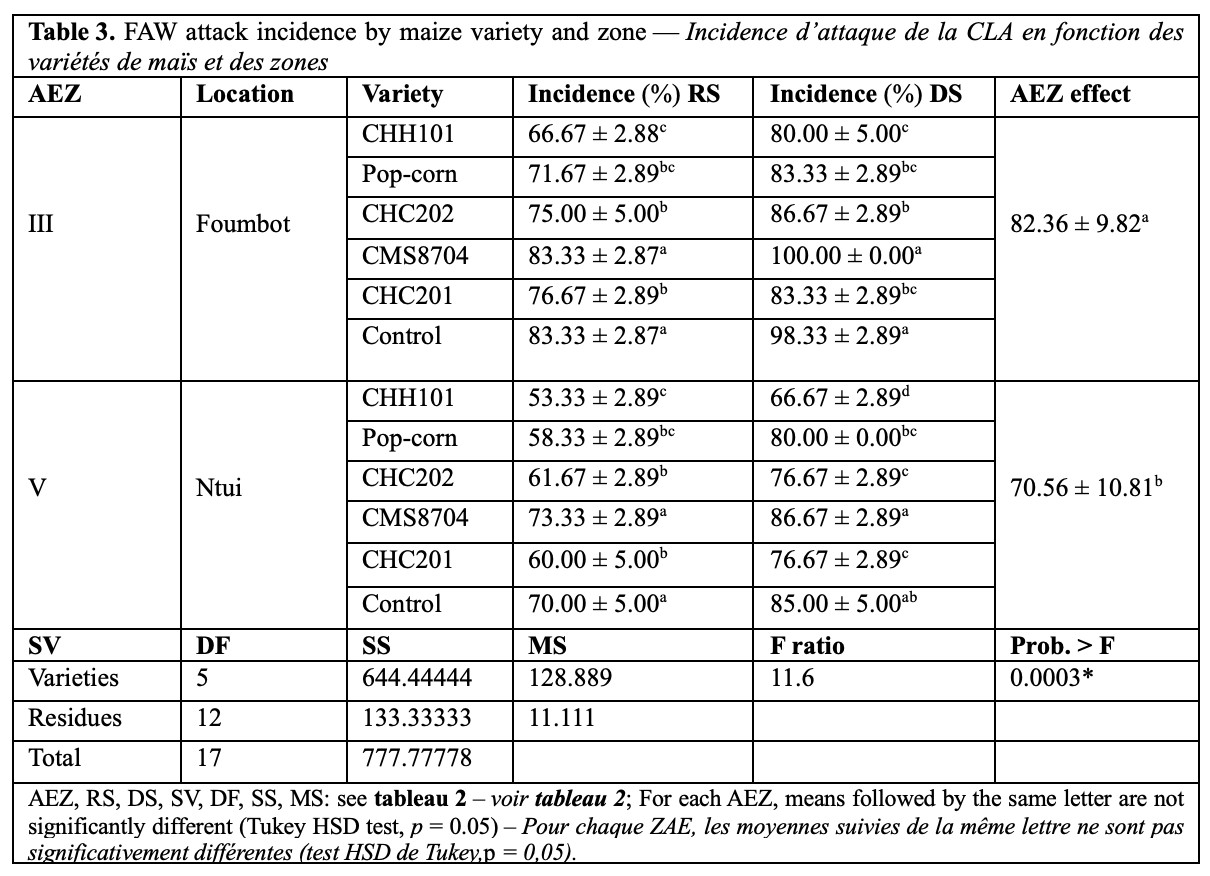
21The sensitivity of the maize varieties tested to FAW was significant (p < 0.05), according to the results of the analysis of variance. In both Foumbot and Ntui, the local variety and CMS8704 proved to be more susceptible to FAW over the two observation cycles, compared with CHH101, Pop-corn, CHC202 and CHC201 respectively, which were less susceptible to armyworms. The fall armyworm larvae incidence was significantly higher in the highland zone (82.36 ± 9.82%) than in the bimodal rainforest zone (70.56 ± 10.81%). No significant interaction between Varieties*AEZ and Varieties*Season was observed (Table 3).
3.3. Severity of FAW
22Table 4 gives information on the severity of FAW on the different maize varieties tested. In Foumbot, CMS8704 and the control showed the most acute severity compared with CHH101, CHC201, Pop-corn and CHC202 during the rainy and dry seasons respectively; CMS8704 (5.67 ± 0.58% and 8.33 ± 0.58%), control (5.33 ± 0.58% and 7.67 ± 0.58%). The upland zone was significantly more favorable to caterpillars (5.75 ± 1.52%) than the rainforest zone (4.83 ± 1.37%). There was no significant interaction between Varieties*AEZ and Varieties*Season (Table 4).
3.4. Frequency of dead hearts
23The analysis of variance showed a significant variation in the number of dead hearts accross the different varieties tested. However, it also showed that there are significant differences with regard to agro-ecological zones and even the interaction between varieties and agro-ecological zones (Table 5). The results indicated a significant sensitivity (p < 0.05) of the different varieties tested on the dead heart frequency parameter. In Foumbot, during the dry and rainy seasons, CHH101 had a significantly higher average frequency of dead hearts (62.96 ± 3.21% and 44.44 ± 8.21%) than CMS8704, CHC201, CHC202, Pop-corn and control. In Ntui, during the rainy season, CHC202, CHH101 and control showed a significantly higher frequency of dead hearts (40.74 ± 3.20%, 40.74 ± 3.20%, 40.74 ± 3.20%), compared with CHC201, Pop-corn and CMS8704. In the highland zone and the bimodal rainforest zone, no significant effect of agro-ecological zones was observed (Table 5).
3.5. Varietal sensitivity to larvae
24The result of the analysis of variance showed a significant varietal effect on larval proliferation (p < 0.05). At Foumbot, CHH101 was less susceptible to larvae during the dry and rainy seasons, respectively (2.67 ± 0.58 and 3.67 ± 0.58), compared with the control variety (3.67 ± 0.58 and 5.33 ± 0.58). In Ntui, during the rainy season, the varieties CHH101, CHC201 and Pop-corn were less susceptible to FAW (2.33 ± 0.58, 2.67 ± 0.58 and 2.33 ± 0.58 respectively) than the control variety and CMS8704 (3.67 ± 0.58 and 3.67 ± 0.58 respectively). During the dry season, the opposite phenomenon was observed: the CM 8704 and control varieties respectively proved less susceptible (3 ± 0.00 and 3.33 ± 0.58) compared with the CHC202, Pop-corn, CHC201 and CHH101 varieties. The upland agro-ecological zone was more favorable to larval development (3.75 ± 0.1) than that observed in the bimodal rainforest zone (3.27 ± 0.12) (Table 6).
3.6. Grain yield
25The analysis of variance table shows a significant varietal effect on the grain yield parameter (p < 0.05). It also reveals a significant seasonal difference and a significant Variety*season interaction. This table shows a significant varietal effect on maize grain yield (p < 0.05). In both study sites, the hybrid variety CHH101 showed the highest yield compared with the local variety, Foumbot (3.34 ± 0.04 t·ha-1 and 3.06 ± 0.05 t·ha-1) and Ntui (3.45 ± 0.05 t·ha-1 and 3.22 ± 0.04 t·ha-1). No significant effect of season or agro-ecological zone was found (Table 7).
3.7. Seasonal effect
26The results show a significant effect (p < 0.05) of season on FAW proliferation (Figure 2). The dry season was the most favorable for FAW proliferation (incidence) in both Foumbot (88.61 ± 8.37%) and Ntui (78.33 ± 7.28%), compared with the rainy season (76.11 ± 6.76% and 62.78 ± 7.71% respectively).
27Figure 2 shows a significant effect (p < 0.05) of season on FAW severity at both study sites. The dry season was the most favorable for FAW severity in Foumbot (6.94 ± 0.94%) and Ntui (5.83 ± 0.86%), compared with the rainy season in Foumbot (4.56 ± 0.92%) and Ntui (3.83 ± 0.99%).
28 A significant seasonal effect was observed; the dry season in both zones proved to be the most favorable for the adverse effects of FAW (dead hearts) on maize (49.69 ± 9.03% and 45.67 ± 7.98%) compared with the rainy season (39.81 ± 3.93% and 38.89 ± 3.30%) (Figure 2).
29Figure 2 shows a significant seasonal effect on larval proliferation. The dry season was more favorable to larval proliferation (4.33 ± 0.76% and 3.61 ± 0.61%) in the Foumbot and Ntui experimental plots, compared with the dry season (3.16 ± 0.51% and 2.94 ± 0.72%).
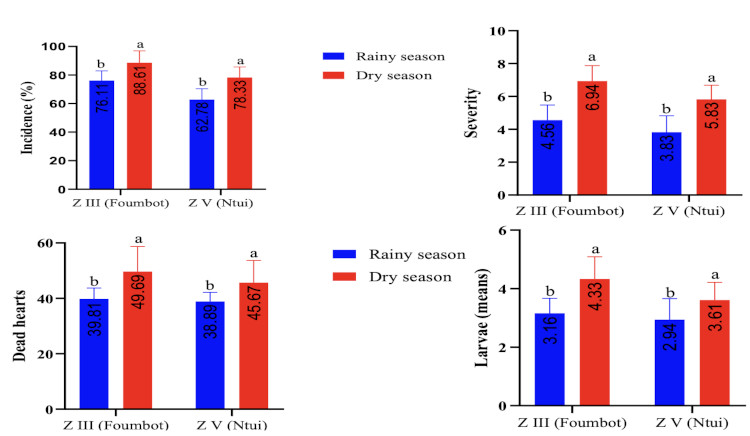
Figure 2. Seasonal effect on incidence and severity of the fall armyworm, frequency of dead hearts and number of larvae – Effet de la saison sur l’incidence et la gravité de la chenille légionnaire d’automne, la fréquence des cœurs morts et le nombre de larves.
Z: agro-ecological zone – zone agro-écologique ; For each agro-ecological zone, means with the same letter are not significantly different (Tukey HSD test, p = 0.05) – Pour chaque zone agro-écologique, les moyennes avec la même lettre ne sont pas significativement différentes (test HSD de Tukey, p = 0,05).
30Analysis of the correlation between measured and evaluated parameters in figure 3 showed that all these variables were significantly correlated. Incidence of FAW was positively and very significantly correlated with severity of FAW (r = 0.86***) and number of larvae (r = 0.72***). Severity of FAW was positively and very significantly correlated with the average number of larvae (r = 0.72***) present on the plant, dead heart (r = 0.33**); negatively and very significantly correlated with grain yield (r = -0.43***). Grain yield was positively and significantly correlated with dead heart (r = 0.29*).
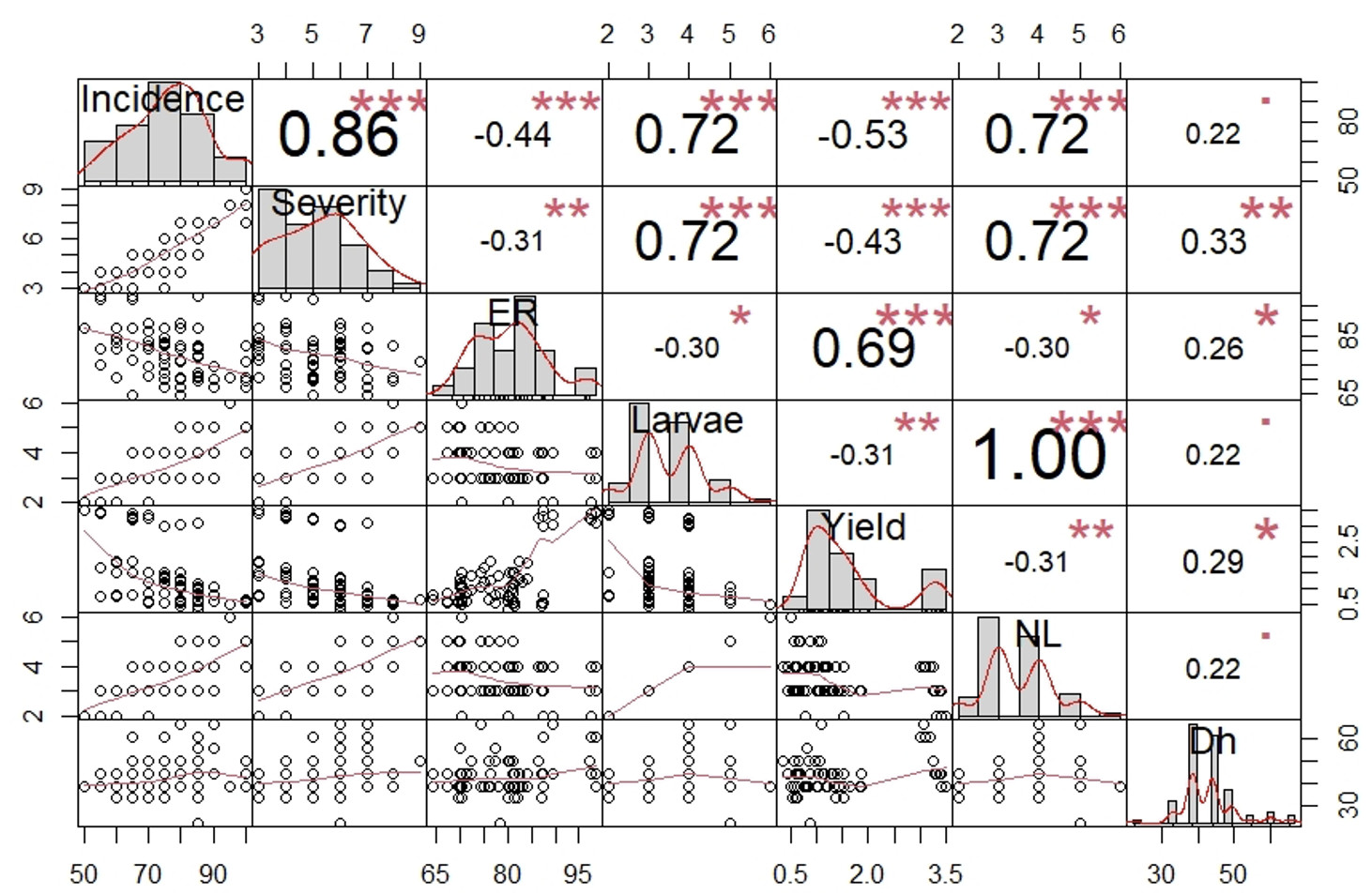
Figure 3. Correlation matrix between variables – Matrice de corrélation entre les variables.
Severity: severity of the fall armyworm – sévérité de la chenille légionnaire d’automne; ER: emergence rate – taux de levée; larvae: number of larvae – nombre de larves; NL: number of leaves of maize – nombre de feuilles de maïs; Dh: average number of dead hearts – nombre moyen de cœurs morts; *: significant effect – effet significatif; **: highly significant effect – effet hautement significatif; ***: very highly significant effect – effet très hautement significatif.
31To better assess the susceptibility of maize varieties to armyworm, a hierarchical ascending classification (HAC) was used to produce a dendrogram grouping the different maize varieties tested, according to their susceptibility to FAW, into statistically homogeneous classes with almost the same characteristics depending on the variables selected. The dendrogram shows three main groups (Figure 4):
32– group 1: CHH101 ;
33– group 2: CHC201 and CHC202 ;
34– group 3: Control, CMS8704 and Popcorn.
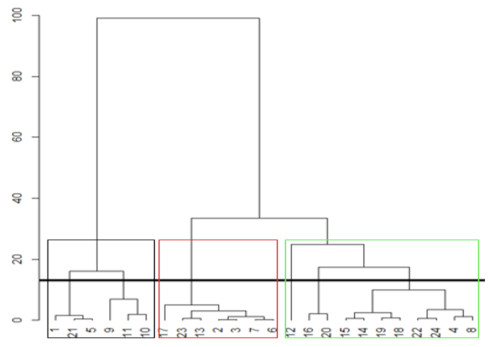
Figure 4. Dendrogram showing the classification of varieties according to their susceptibility to the fall armyworm – Dendrogramme montrant la classification des variétés selon leur sensibilité à la chenille légionnaire d’automne.
CHC201: 1-4, CHC202: 5-8, CHH101: 8-12, CMS8704: 13-16, Control: 17-20, Pop-corn: 21-24.
4. DISCUSSION
35In this study, a statistically significant difference in emergence rate was observed between the different maize genotypes tested at Foumbot and Ntui. These significant differences appear to be highly genotype-dependent. The results showed that the hybrid variety CHH101 had a higher emergence rate during both seasons of observation, compared with the control and the others. This result could be explained by the heterosis effect of single hybrids, which gives them a certain genetic vigor. This result corroborates those of Oluwaranti et al. (2018) who found that single hybrids have the highest germination potential due to heterosis and genetic effects. However, many factors affect the rate of emergence, which often varies by orders of magnitude between and within plant species (Suhana et al., 2023). In addition, previous studies have shown significant paternal effects on seed germination characteristics (Suhana et al., 2023). Seed sizes also affect the germination rate of maize.
36All six varieties tested showed variable and significant sensitivities to FAW in both agro-ecological zones and during both seasons of observation. This variability in susceptibility to FAW of the different genotypes tested is thought to be due to their genetic response. Djomo et al. (2017) have shown that differences in resistance levels between maize varieties can be attributed to the genes conferring resistance. The interaction between pathogen, host and environment also explains the variability in susceptibility to FAW among the cultivars tested. The local variety and CMS8704 proved to be more susceptible to FAW (incidence and severity) than CHH101, CHC201, CHC201 and Pop-corn, in both agro-ecological zones. The high susceptibility of these two varieties to FAW is explained by the preference or affinity of the bio-aggressor to them. Djomo et al. (2021) showed that the highest MSV infection rate was recorded on the Aflatoxine maize variety. These cultivars may also be sweeter than other varieties. Indeed, most insects prefer sugar (Buteme et al., 2020), the FAW being no exception.
37The incidence and severity of FAW in the trials were highest in the dry season. This seasonal effect on FAW infestation and severity on maize is explained by the interaction between pest, host and environment. During the dry season, very few growers produce maize compared with the rainy season. Despite its polyphagous nature, FAW has a clear affinity for maize (Wan et al., 2021). This enabled a good concentration of the larvae on few of the maize plots available at the study sites in this season (Ahissou et al., 2022). This result is similar to those of Souleymane et al. (2022) who showed that FAW damage to maize was greater in the dry season than in the rainy season. The low levels of FAW damage observed in the rainy season can be explained by the fact that in the rainy season, heavy rains have a detrimental impact on FAW proliferation in that they wash the FAW eggs, deposited on the lower part of the leaf, and strongly inhibit larval activity by suffocating or even killing them in the plant horn.
38The agro-ecological zone of the western highlands (zone III) proved to be more favorable and more prolific for FAW than the humid forest zone with mono-modal rainfall (zone V). This result can be partly explained by the fact that, being a strongly and essentially agricultural zone (with a high propensity for market gardening) in Cameroon, it is subject to the abusive and exaggerated use of synthetic pesticides (i.e. Foumbot, Bangangté, etc.) by market-gardeners who, for the most part, are uneducated. As a result, the abusive use of chemical pesticides would have favored the development of FAW resistance and, consequently, their strong presence in this zone. This result is similar to those of Kamtchoum et al. (2024) who show that the infection rate and severity of FAW are higher in the Western Highlands zone than in the Sudano-Sahelian zone, due to the excessive and abusive use of synthetic pesticides.
39The number of larvae differed from one genotype to another. The control and CMS8704 recorded a significantly higher number of larvae than those observed in CHH101, CHC201, CHC202 and Pop-corn. This higher presence of larvae on the control variety and CMS8704 could be explained by the fact that these two genotypes are sweeter and therefore very favorable for FAW nutrition. Kambale et al. (2023) show that the armyworm's preference for Bamboo and Mugamba could be explained by the fact that these cultivars are sweeter than the other varieties evaluated. It has been reported that this pest attacks a very diverse range of grass species (Huesing et al., 2018) but that it particularly prefers maize. This ability of the armyworm to attack different grass species would justify, in part, its propensity towards several maize varieties as observed during this study (Kambale et al., 2023).
40Grain yields varied significantly from one genotype to another. In general, the low yields recorded at both sites could be explained by FAW damage to maize leaves. In fact, no phytosanitary treatment was applied. The fall armyworm’s defoliating activity on host plants would have led to a drastic reduction in leaf area. This substantially reduces the photosynthetic potential of the plant and consequently leads to a drastic drop in grain yield. Chimweta et al. (2020) report that the impact of FAW results in compromised photosynthesis due to foliage loss, stunted growth and destruction of key reproductive parts such as whorls, panicles and spikes. Aniwanou et al. (2021) noted that in 2016, FAW devastated over 38,000 ha of maize in northern Benin. The resulting yield reductions can vary from 15% to 73%.
41The hybrid variety CHH101 has the highest grain yields compared with the control and others. This can be explained by the heterosis effect of this simple hybrid variety, which gives it very high performance. This result is similar to those of Suhana et al. (2023) who showed that SC hybrids were more important than DC hybrids, TC hybrids and parental lines. This is mainly influenced by the heterosis effect, which contributes greatly to hybrid performance in maize, particularly for parental lines, especially for grain yield (Li et al., 2021). This suggests that, in addition to environmental and nutritional factors, genetic factors also influence yield (Tahir et al., 2008).
42The correlative study between the different parameters evaluated in this work shows that they interact with each other. Yield is positively and significantly correlated (r = 0.29) with the frequency of dead hearts. This result can be explained by the fact that yield depends on the condition of the plant throughout the cycle. When the cornet is severely attacked by FAW, the plant no longer regenerates new leaves likely to enhance photosynthetic potential (responsible for the synthesis and accumulation of organic matter) and hence the low yields observed in this work. This result does not corroborate those of Kambale et al. (2023) who showed that yield showed no significant correlation with FAW attack parameters. They note in their work that the relationships observed are weakly negative and non-significant. This suggests a generalized tolerance of the six maize varieties to FAW attacks. This tolerance may be genetic in origin, as well as linked to environmental factors not controlled during the trial. The different genotypes tested in this study are classified into three groups, according to their susceptibility to FAW, using the hierarchical classification tree generated by R software:
43– group 1: CHH101, corresponding to the class of varieties less susceptible to FAW ;
44– group 2: CHC201 and CHC202, corresponding to the class of intermediate varieties;
45– group 3: Control, CMS8704 and Pop-corn, belonging to the class of genotypes most sensitive to FAW.
46 Structuring the averages of FAW incidence and severity on these cultivars using Tukey’s test clearly reveals these three classes:
47– class a : Control, CMS8704 and Pop-corn;
48– class b : CHC201 and CHC202 :
49– class c : and CHH101.
50The grouping of the six varieties according to their susceptibility to FAW into these three classes is clearly justified.
5. CONCLUSIONS
51This study assessed the incidence and severity of fall armyworm in relation to the agronomic performance of six maize cultivars (CMS8704, CHC202, CHC201, CHH101, Pop-corn and Control) in two agro-ecological zones of Cameroon during two observation cycles. The trial results show that all the parameters evaluated showed significant differences between the maize cultivars. The study also showed that the dry season was significantly more favorable to caterpillar proliferation than the rainy season. Agro-ecological zone III (Foumbot) was found to be more susceptible to caterpillars than zone V. This work indicates that all six maize varieties tested are susceptible to caterpillars, although the level of susceptibility differs from one variety to another. Although they were all susceptible to varying degrees, the hybrid variety CHH101 demonstrated greater resistance to FAW and higher grain yield than the others. Subject to the multiplication of multi-location trials to confirm the conclusions of this study, the results of this work could help farmers choose the right maize variety to use for optimum productivity in these agro-ecological zones.
Bibliographie
Ahissou B.R. et al., 2022. Annual dynamics of fall armyworm populations in West Africa and biology in different host plants. Sci. Afr., 16, e01227, doi.org/10.1016/j.sciaf.2022.e01227
Aniwanou C.T.S. et al., 2021. Bio-efficacy of diatomaceous earth, household soaps, and neem oil against Spodoptera frugiperda (Lepidoptera: Noctuidae) larvae in Benin. Insects, 12(1), 1-18, doi.org/10.3390/insects12010018
Assefa F. & Ayalew D., 2019. Status and control measures of fall armyworm (Spodoptera frugiperda) infestations in maize fields in Ethiopia: a review. Cogent Food Agric., 5(1), 1641902, doi.org/10.1080/23311932.2019.1641902
Buteme S., Masanza M. & Masika F.B., 2020. Severity and prevalence of the destructive fall armyworm on maize in Uganda: a case of Bulambuli district. Afr. J. Agric. Res., 16(6), 777-784, doi.org/10.5897/AJAR2019.14670
Chimweta M. et al., 2020. Fall armyworm [Spodoptera frugiperda (J.E. Smith)] damage in maize: management options for flood-recession cropping smallholder farmers. Int. J. Pest Manage., 66(2), 142-154, doi.org/10.1080/09670874.2019.1577514
Djomo S.H. et al., 2017. Effect of different doses of NPK fertilizer on the infection coefficient of rice (Oryza sativa L.) blast in Ndop, North West of Cameroon. Agron. Afr., 29(3), 245-255, doi.org/10.5897/AJAR2017.12127
Djomo S.H. et al., 2021. Response of some maize (Zea mays L.) varieties to natural infection of maize streak virus in the Western Highlands of Cameroon. Cameroon J. Exp. Biol., 15(1), 16-21, doi.org/10.4314/cajeb.v15i1.3
Fajinmi A.A. et al., 2012. Incidence and infection rate of maize streak virus by Cicadulina triangula on maize plant and its distribution for lowest diseased leaf under tropical condition. Arch. Phytopathol. Plant Prot., 45, 1591-1598, doi.org/10.1080/03235408.2012.694251
FAO, 2018. Plan de riposte contre la chenille légionnaire d’automne en République Démocratique du Congo. Document stratégique. Rome : FAO/PAM.
Guibert H. et al., 2016. Intensification of maize cropping systems to improve food security: is there any benefit for Northern Cameroon farmers? Cah. Agric., 25(6), 65006, doi.org/10.1051/cagri/2016048
Harrison R.D. et al., 2019. Agro-ecological options for fall armyworm (Spodoptera frugiperda JE Smith) management: providing low-cost, smallholder friendly solutions to an invasive pest. J. Environ. Manage., 243, 318-330, doi.org/10.1016/j.jenvman.2019.05.011
Huesing J.E. et al., 2018. Integrated pest management of fall armyworm in Africa: an introduction. In: Prasanna B.M. et al. (eds). Fall armyworm in Africa: a guide for integrated pest management. México : CIMMYT, USAID, 1-9.
INS (Institut National de la Statistique), 2018. Évaluation des importations des produits alimentaires de grande consommation et impact sur l’économie nationale en 2017. Yaoundé : INS.
IRAD, 2016. Description des zones agro-écologiques du Cameroun. Yaoundé : IRAD.
Kambale M.H. et al., 2023. Incidence de la chenille légionnaire (Spodoptera frugiperda) et performances agronomiques de six cultivars de maïs cultivés à Butembo, Nord-Kivu. J. Appl. Biosci., 184, 19245-19258, doi.org/10.35759/JABs.183.2
Kamtchoum S.M. et al., 2024. Alternative control methods for fall army worm in some agroecologies in Cameroon. J. Cameroon Acad. Sci., 20, 201-218, doi.org/10.4314/jcas.v20i3.1
Li D. et al., 2021. Genetic dissection of hybrid performance and heterosis for yield-related traits in maize. Front. Plant Sci., 12, 774478, doi.org/10.3389/fpls.2021.774478
Mafouasson H.N.A. et al., 2020. Production constraints, farmers’ preferred characteristics of maize varieties in the bimodal humid forest zone of Cameroon and their implications for plant breeding. Agric. Res., 9, 497-507, doi.org/10.1007/s40003-020-00463-6
MINADER, 2019. Rapport de présentation de la filière maïs au Cameroun le 28 février 2019. Yaoundé : Ministère de l’Agriculture et du Développement Rural.
MINADER, 2020. Rapport d’évaluation de la campagne agricole 2019/2020 et des disponibilités alimentaires dans les régions de l’Adamaoua, de l’Est, de l’Extrême-Nord du Nord et de l’Ouest. Yaoundé : Ministère de l’Agriculture et du Développement Rural.
MINADER, 2022. Annuaire statistique du Ministère de l’Agriculture et du Développement Rural. Yaoundé : Ministère de l’Agriculture et du Développement Rural.
Montazano D.G. et al., 2018. Host plants of Spodoptera frugiperda (Lepidoptera : Noctuidae) and its parasitoids in the Americas. Afr. Entomol., 26, 286-300.
Ndiaye A. et al., 2022. The fall armyworm Spodoptera frugiperda (J.E. Smith), a new pest of maize in Africa: monitoring, damage evaluation and identification of natural enemies on production areas of Senegal. Int. J. Biol. Chem. Sci., 15(6), 2247-2260, doi.org/10.4314/ijbcs.v15i6.1
Notteghem J.L. et al., 1980. Technique utilisée pour la sélection de variété de riz possédant la résistance horizontale à la pyriculariose. Ann. Phytopathol., 12, 199-226.
Oluwaranti A. et al., 2018. Comparative analysis of physiological seed quality and field performance of single-, three-way and double-cross hybrids of tropical maize germplas. Ife J. Agric., 30, 83-98.
SAS, 2007. SAS/SAT Software. Version 9. Cary, NC, USA : SAS Institute Inc..
Souleymane L. et al., 2022. Review of research main results on the fall armyworm Spodoptera frugiperda J.E. Smith in Africa. Int. J. Innovation Appl. Stud., 38(2), 243-261.
Suhana O. et al., 2023. Effects of seed quality and hybrid type on maize germination and yield in Hungary. Agriculture, 13(9), 1836, doi.org/10.3390/agriculture13091836
Tahir M. et al., 2008. Comparative yield performance of different maize (Zea mays L.) hybrids under local conditions of Faisalabad-Pakistan. Pak. J. Life Social Sci., 6(2), 118-120.
Tukey J.W., 1953. The problem of multiple comparisons. Princeton, NJ, USA : Department of Statistics, Princeton University.
Wan J. et al., 2021. Biology, invasion and management of the agricultural invader: fall armyworm, Spodoptera frugiperda (Lepidoptera: Noctuidae). J. Integr. Agric., 20(3), 646-663, doi.org/10.1016/S2095- 3119(20)63367-6
(31 ref.)
